
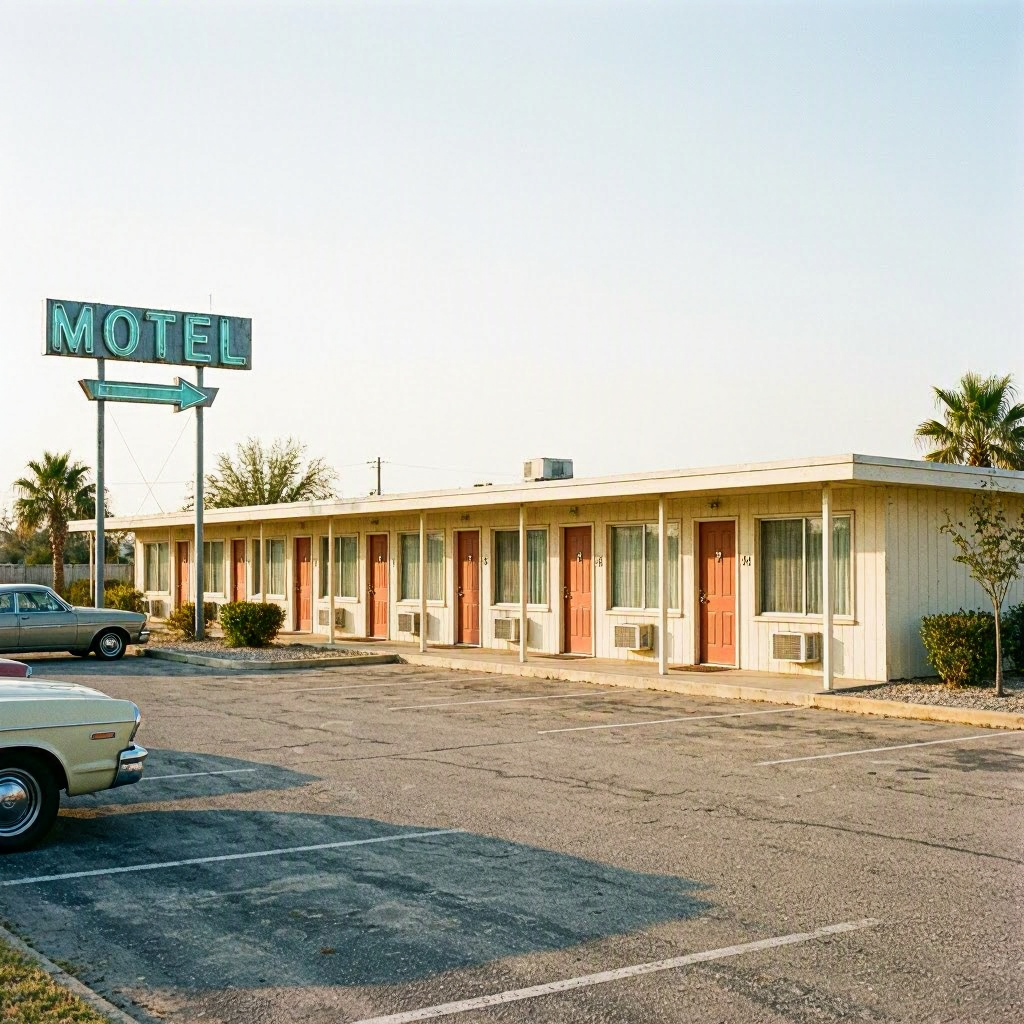
In my previous life, I worked for 11 years in the hotel business. One of the most common questions I would be asked was what is the difference between a hotel and a motel (also, what is an Inn). Here is a simple breakdown of the three.
Hotel
Hotels typically have 10 to 4,000+ rooms.
Hotels are the most common type of lodging establishments found in urban and tourist areas. They cater to a wide range of guests, including business travelers, families, and tourists. Hotels are usually larger in scale compared to motels and offer a variety of room types, ranging from standard rooms to luxurious suites.
Hotels often provide a comprehensive range of services and facilities to ensure a comfortable and enjoyable stay for their guests. These may include concierge services, room service, restaurants, fitness centers, conference rooms, and in-room amenities like minibars, flat-screen TVs, and work desks. Additionally, hotels are known for their professional staff, who are available 24/7 to assist guests with their needs.
Motel
Motels typically have 30 to 100 rooms.
The term “motel” originated from the words “motor hotel” and was initially designed to cater to motorists seeking convenient overnight accommodations. Motels are typically located along highways, making them easily accessible for travelers on road trips. One of the defining characteristics of motels is their layout, with rooms conveniently situated around a parking lot for easy access to vehicles.
Motels generally offer basic amenities and services suitable for short stays. While room sizes may vary, they usually come equipped with essential amenities such as a bed, a private bathroom, a television, and sometimes a small kitchenette. Motels often provide parking spaces near the rooms, allowing guests to park their vehicles close by for convenience and security. Some motels also offer additional amenities such as swimming pools, Wi-Fi, and continental breakfasts.
Inn
Inns typically have 10 to 50 rooms.
Inns have a rich historical background and were traditionally known as establishments that provided lodging, food, and stabling for travelers and their horses. Today, inns retain their cozy, intimate ambiance and are often located in rural or quaint settings. They offer a more personalized and charming experience compared to larger hotels.
Inns are typically smaller in scale and have fewer rooms compared to hotels. They often feature unique architecture, such as historic buildings or converted houses, adding to their character and charm. Inns offer comfortable rooms and a warm, welcoming atmosphere for guests. While amenities may vary, they often include comfortable beds, private bathrooms, and communal areas where guests can relax and interact with fellow travelers.
Inns typically target travelers seeking a more intimate and personalized experience, often valuing a sense of community and local connections. Bed and breakfast (B&B) establishments often fall under the category of inns, emphasizing homemade breakfast and a cozy ambiance. Examples of notable inns include English countryside inns and charming bed-and-breakfasts in picturesque locations.
Another classification for hotels, motels, and inns is the star rating system. Hotel star ratings are a globally recognized indicator of a property’s service level, amenities, and overall quality. Ranging from 1 to 5 stars, the system scales upward: more stars correspond to a higher standard of luxury, broader on-site facilities, and more attentive staff.
What Each Star Rating Means:
One-Star: Basic, no-frills accommodation. These are generally budget-friendly and offer a bed and a private or shared bathroom, but few, if any, additional services or facilities.
Two-Star: Modest comfort on a budget. Slightly more comfortable than 1-star hotels, they usually feature in-room TVs, telephones, and daily housekeeping.
Three-Star: Above-average, mid-range accommodation. These properties offer quality service, comfortable bedding, and a broader range of amenities, including a restaurant, a small fitness center, and regular business services.
Four-Star: Upscale comfort and premium quality. You can expect spacious rooms, high-quality decor, and extensive amenities like 24-hour room service, concierges, multiple dining options, and swimming pools.
Five-Star: Flawless guest services and state-of-the-art luxury. These properties cater to every need, featuring personalized attention (such as turndown service), spas, fine dining, and lavish furnishings.
Seven-Star: There isn’t a universally recognized 7-star rating, despite popular belief. It’s an unofficial term coined by a journalist for the Burj Al Arab in Dubai to emphasize its level of luxury. Some luxury hotels use seven-star terminology for marketing purposes, but officially, hotel rating systems max out at five stars.
What separates a hotel from a motel?
- Check-in and check-out: Most Motels are independently owned, and their staff is usually smaller. 3:00 pm means 3:00 pm for most check-ins.
- Parking is usually right outside: “Motel” means “mobile hotel,” and a true motel has all the doors on the exterior of the building.
- Basic amenities: A Motel is your typical off-the-highway place to get some rest. They tend not to have many amenities, so do not expect room service or any spa services.
- Smoking rules can be strict: Both Hotels and Motels have strict no-smoking rules, but Motels do not have the staff to clean smoke-filled rooms, so smoke outside your room.
- Cleanliness varies: Let’s face it, motels are cheaper for a reason. Roll the dice and save some money, but the room may not be as nice.
- Security is mostly “outside-in”: Since all the doors face the outside, always lock your doors and close your curtains to stay safe.
- Toiletries can be minimal: They tend not to have many amenities, so bring your own body wash and razors.
- Ice and vending machines are common: When my dad used to find roadside hotels on our family vacations, he loved being next to the ice machine for convenience. Nothing makes a vending machine soda taste better than putting it in a bucket of ice.
- Breakfast isn’t guaranteed: Unless it is near a greasy spoon, do not expect any breakfast.
- Weekend prices can be higher: More people travel on the weekends, so supply and demand.
- Old-school coupons still exist: Check local newspapers, 10% is 10%.
- Calling directly can save money: Motels usually have smaller budgets and lack a franchise to help sell their properties. Use your smart device and use the call feature to talk directly to the motel to get a better rate. If they use a service like Expedia, they have to pay a service fee for the reservation.